Chemistry Courses
Chemistry courses can help you learn chemical reactions, molecular structures, stoichiometry, and thermodynamics. You can build skills in laboratory techniques, analytical reasoning, and data interpretation. Many courses introduce tools like spectrometers, chromatography equipment, and molecular modeling software, that support conducting experiments and analyzing results.
Popular Chemistry Courses and Certifications
 Status: Preview
Duke University
Skills you'll gain: Scientific Methods, Chemistry, General Science and Research, Science and Research, Systems Of Measurement, Physical Science, Analytical Chemistry, Experimentation
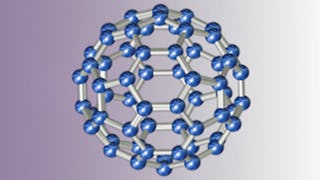 Status: Free
Rice University
Skills you'll gain: Chemistry, General Science and Research, Physical Science, Physics, Scientific Methods, Experimentation
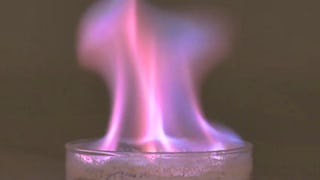 Status: Preview
Duke University
Skills you'll gain: Chemistry, Analytical Chemistry, Physical Science, Systems Of Measurement, Scientific Methods, Mathematical Modeling
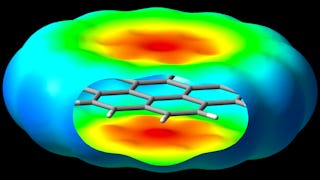 Status: Preview
University of Manchester
Skills you'll gain: Chemistry, Physical Science, Physics, Laboratory Experience, Experimentation, Mechanics, Applied Mathematics
 Status: Free Trial
University of California, Davis
Skills you'll gain: Chemical Engineering, Hazard Analysis, Process Engineering, Occupational Hygiene, Hazard Communication (HazCom), Fire And Life Safety, Safety Assurance, Process Control, Occupational Health, Health And Safety Standards, Risk Management, Environment Health And Safety, Chemical and Biomedical Engineering, Failure Analysis, Chemistry, Risk Analysis, Accident Prevention, Safety Standards, Electrical Safety, Risk Mitigation
 Status: Preview
University of Manchester
Skills you'll gain: Laboratory Experience, Analytical Testing, Analytical Chemistry, Biochemistry, Laboratory Techniques, Laboratory Procedures, Chemistry, Laboratory Equipment, Vibrations, electromagnetics, Physics, Systems Of Measurement, Structural Analysis
What brings you to Coursera today?
 Status: Preview
University of Geneva
Skills you'll gain: Biochemistry, Biochemical Assays, Molecular Biology, Cell Biology, Chemistry, Biotechnology, Analytical Testing, Biological Engineering, Laboratory Research, Scientific Visualization, Biology, Specimen Labeling, Drug Development
 Status: Free Trial
Arizona State University
Skills you'll gain: Electrical Systems, Electrical Safety, Safety Standards, Energy and Utilities, Environmental Regulations, Power Electronics, Sustainable Technologies, Manufacturing and Production, Manufacturing Processes, Electric Power Systems, Production Process, Chemistry, Sustainable Engineering, Sustainable Design, Thermal Management, Equipment Design, Analytical Testing, Materials science, Electronic Components, Chemical Engineering
 Status: Free Trial
Arizona State University
Skills you'll gain: Materials science, Chemical Engineering, Chemistry, Engineering, Physical Science
 Status: Free Trial
University of California, Davis
Skills you'll gain: Chemical Engineering, Process Engineering, Occupational Hygiene, Hazard Communication (HazCom), Hazard Analysis, Process Control, Occupational Health, Health And Safety Standards, Environment Health And Safety, Safety Assurance, Chemistry, Safety Standards, Accident Prevention, Personal protective equipment, Equipment Design, Risk Management
 Status: Free Trial
Arizona State University
Skills you'll gain: Materials science, Failure Analysis, Semiconductors, Manufacturing Processes, Mechanical Engineering, Chemical Engineering, Chemistry, Engineering, Structural Analysis, Production Process, Laboratory Testing, Mechanics, Physical Science, Process Engineering, Engineering Calculations, Reliability, Technical Standard
 Status: Free Trial
Arizona State University
Skills you'll gain: Materials science, Electronic Components, Chemistry, Electrical Safety, Energy and Utilities, Sustainable Technologies, Chemical Engineering, Manufacturing Processes
In summary, here are 10 of our most popular chemistry courses
- Introduction to Chemistry: Reactions and Ratios: Duke University
- General Chemistry: Concept Development and Application: Rice University
- Introduction to Chemistry: Structures and Solutions: Duke University
- Introduction to Physical Chemistry: University of Manchester
- Chemical Hazards and Process Safety: University of California, Davis
- Introduction to Molecular Spectroscopy: University of Manchester
- Chemical Biology: University of Geneva
- Battery Technologies: Arizona State University
- Introduction to Materials Science : Arizona State University
- Chemical Hazards: Toxicology & Reactivity: University of California, Davis










