Build a career-ready degree strategy with micro-credentials
Today’s employers expect verifiable proof of skills along with degrees. Discover how industry-aligned micro-credentials bridge that gap and drive measurable outcomes in the Micro-Credentials Impact Report 2026, available in several languages.
Why micro-credentials matter for higher education
Employers and students expect more from four-year degrees, which no longer guarantee job outcomes.
2026 data
What the data shows about micro-credentials
Based on insights from 3,500+ students, graduates, employers, and higher education leaders across seven countries, the Micro-Credentials Impact Report 2026 reveals a major shift in hiring, salary outcomes, and student and employer demand. Explore the data and see how your institution can adapt to remain competitive.
ROI and outcomes
The institutional advantage of micro-credentials
Increase employment outcomes
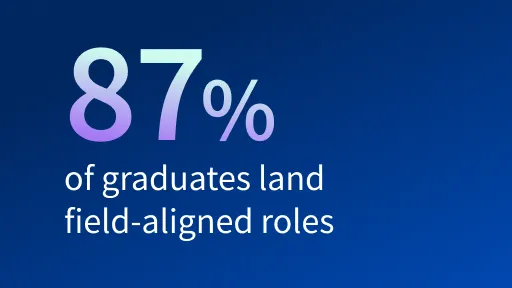
87% of graduates with micro-credentials secured a role aligned to their field within 12 months.
Refresh curricula faster
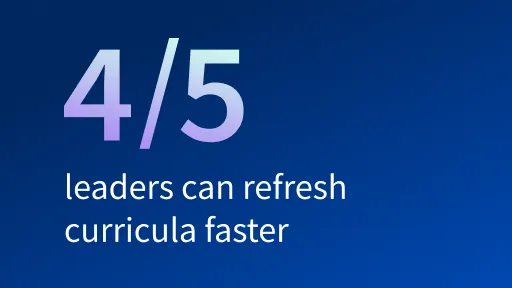
4 out of 5 higher ed leaders say embedding micro-credentials enables a faster launch and refresh rate for curricula.
Boost student engagement
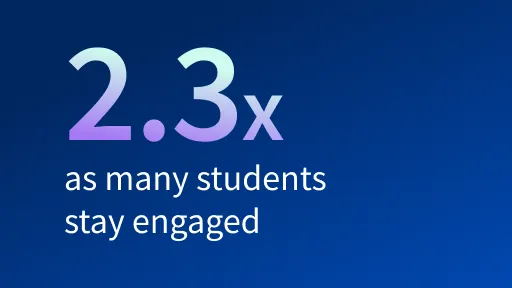
2.3 times as many students say they’re likely to stay engaged when programs offer credit-bearing micro-credentials.
Top credential features that drive outcomes
Across employers, students, and graduates, the highest-performing micro-credentials share three features:
1. Credit integration
58% of employers report greater trust in micro-credentials that carry academic credit.
2. Industry alignment
82% of employers place greater value on micro-credentials developed with industry partners.
3. Evidence-based learning
82% of students say micro-credentials that include projects or industry-based work provide stronger job alignment than content-only credentials.
From insights to action
How to embed micro-credentials into your degrees
Leading institutions aren’t overhauling their programs—they’re embedding micro-credentials in focused, scalable ways. Our toolkit gives you step-by-step guidance to embed micro-credentials into your degree programs.
You’ll get:
- A step-by-step implementation plan
- Case studies and success stories
- Credit integration guidance

Through our partnership with Coursera, we are able to provide students and alumni from UT institutions with access to industry-recognized credentials. This empowers them to upskill and reskill, ensuring they stay competitive and relevant in the evolving job market.