Results for "beginner computer"

Microsoft
Skills you'll gain: Computer Hardware, Generative AI, Hybrid Cloud Computing, Generative Model Architectures, Enterprise Application Management, Cloud Computing, Operating Systems, Cloud Management, Patch Management, Computer Systems, Servers, System Software, Business Software, OS Process Management, Computer Architecture, Data Warehousing, AI literacy, Data Storage, Technical Support, Cybersecurity

Included with Coursera Plus
4.8Rating, 4.8 out of 5 stars1.1K reviews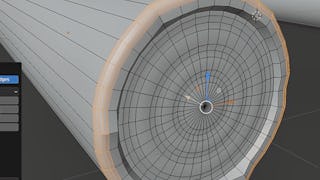
Skillshare
Skills you'll gain: Animations, 3D Modeling, 3D Assets, Computer Graphics, Visualization (Computer Graphics), Computer Graphic Techniques, Post-Production, Graphical Tools, Motion Graphics, File Management, Timelines, Graphics Software, User Interface (UI), Creativity, Image Quality, Video Production, Software Versioning, Software Installation, System Configuration
Included with Coursera Plus
4.4Rating, 4.4 out of 5 stars21 reviews
Skills you'll gain: Unified Modeling Language, File I/O, System Programming, Visual Basic (Programming Language), System Software, Hardware Architecture, Databases, Relational Databases, Algorithms, Computer Architecture, Network Security, Computer Hardware, SQL, Development Environment, Data Structures, Object Oriented Programming (OOP), Object Oriented Design, Program Development, Computer Programming, Microsoft Development Tools
Included with Coursera Plus
4.6Rating, 4.6 out of 5 stars173 reviews
University of California, Santa Cruz
Skills you'll gain: Programming Principles, C and C++, Program Development, Computational Logic, Memory Management
Included with Coursera Plus
4.5Rating, 4.5 out of 5 stars6.8K reviews Status: New
Microsoft
Skills you'll gain: Debugging, Version Control, C# (Programming Language), Microsoft Copilot, Event-Driven Programming, Git (Version Control System), Object Oriented Programming (OOP), .NET Framework, Software Design Patterns, Program Development, Software Architecture, Application Deployment, Development Testing, Object Oriented Design, Microsoft Visual Studio, Software Testing, ASP.NET, Software Development Tools, Security Testing, File Systems
Included with Coursera Plus

University of Colorado Boulder
Skills you'll gain: Image Analysis, Computer Vision, Autoencoders, Convolutional Neural Networks, Vision Transformer (ViT), Generative Adversarial Networks (GANs), Recurrent Neural Networks (RNNs), Deep Learning, Generative Model Architectures, Artificial Intelligence and Machine Learning (AI/ML), Computer Graphics, Visualization (Computer Graphics), Machine Learning Methods, Model Deployment, Embeddings, Artificial Intelligence, Data Ethics, Data Processing, Applied Machine Learning, Linear Algebra
Included with Coursera Plus
Build toward a degree
4.5Rating, 4.5 out of 5 stars92 reviews
Skills you'll gain: Peripheral Devices, Virtualization, Computer Hardware, System Configuration, Virtualization and Virtual Machines, Operating System Administration, Computer Systems, Virtual Machines, Operating Systems, Hardware Troubleshooting, Linux, Software Installation, Technical Support, Mac OS, Computer Architecture, File Systems, Network Infrastructure, Data Storage, User Accounts, Disaster Recovery
Included with Coursera Plus
4.7Rating, 4.7 out of 5 stars2K reviews
Skills you'll gain: Linux Commands, Metasploit, Open Web Application Security Project (OWASP), Linux, Penetration Testing, Exploit development, Vulnerability Scanning, Command-Line Interface, Exploitation techniques, Security Testing, Linux Administration, Scripting, Vulnerability Assessments, Hardening, Brute-force attacks, General Networking, Scripting Languages, Shell Script, Cybersecurity, Network Security
Included with Coursera Plus
4.3Rating, 4.3 out of 5 stars47 reviews Status: New
Università di Napoli Federico II
Skills you'll gain: English Language, Language Learning, Grammar, Language Competency, Vocabulary, Oral Comprehension
Included with Coursera Plus
4.4Rating, 4.4 out of 5 stars24 reviews
Exploring the Data Analyst role?
Set it as your role and get personalized recommendations

University of California, Irvine
Skills you'll gain: Systems Development, Systems Development Life Cycle, Agile Methodology, Software Development Life Cycle, Productivity Software, Risk Management Framework, digital literacy, Systems Design, Network Security, Computer Hardware, Agile Project Management, Hardware Architecture, Computer Systems, Software Design, Data Security, Risk Management, System Design and Implementation, TCP/IP, Information Technology, Productivity
Included with Coursera Plus
4.6Rating, 4.6 out of 5 stars353 reviews- Status: New
Microsoft
Skills you'll gain: Computer Hardware, Generative AI, Hybrid Cloud Computing, Generative Model Architectures, Enterprise Application Management, Cloud Computing, Operating Systems, Cloud Management, Patch Management, Computer Systems, Servers, Information Technology, System Software, Business Software, OS Process Management, Network Security, Computer Networking, Software Architecture, OSI Models, TCP/IP
Included with Coursera Plus

Skills you'll gain: Apache Maven, Java, Object Oriented Design, Build Tools, Memory Management, Hibernate (Java), Unit Testing, File I/O, Data Persistence, Docker (Software), Software Testing, Software Design Patterns, Integrated Development Environments, Object-Relational Mapping, Functional Design
Included with Coursera Plus
In summary, here are 10 of our most popular beginner computer courses
- Introduction to Computers: Microsoft
- Blender for Beginners: Skillshare
- Introduction to Computer Programming with Visual Basic: LearnQuest
- C for Everyone, Part 1: Programming Fundamentals: University of California, Santa Cruz
- Beginners Guide to C# Fundamentals: Microsoft
- Computer Vision: University of Colorado Boulder
- Introduction to Hardware and Operating Systems: IBM
- The Complete Ethical Hacking Bootcamp: Beginner To Advanced: Packt
- English Beginner A1: Università di Napoli Federico II
- Introduction to Computer Information Systems: University of California, Irvine










